
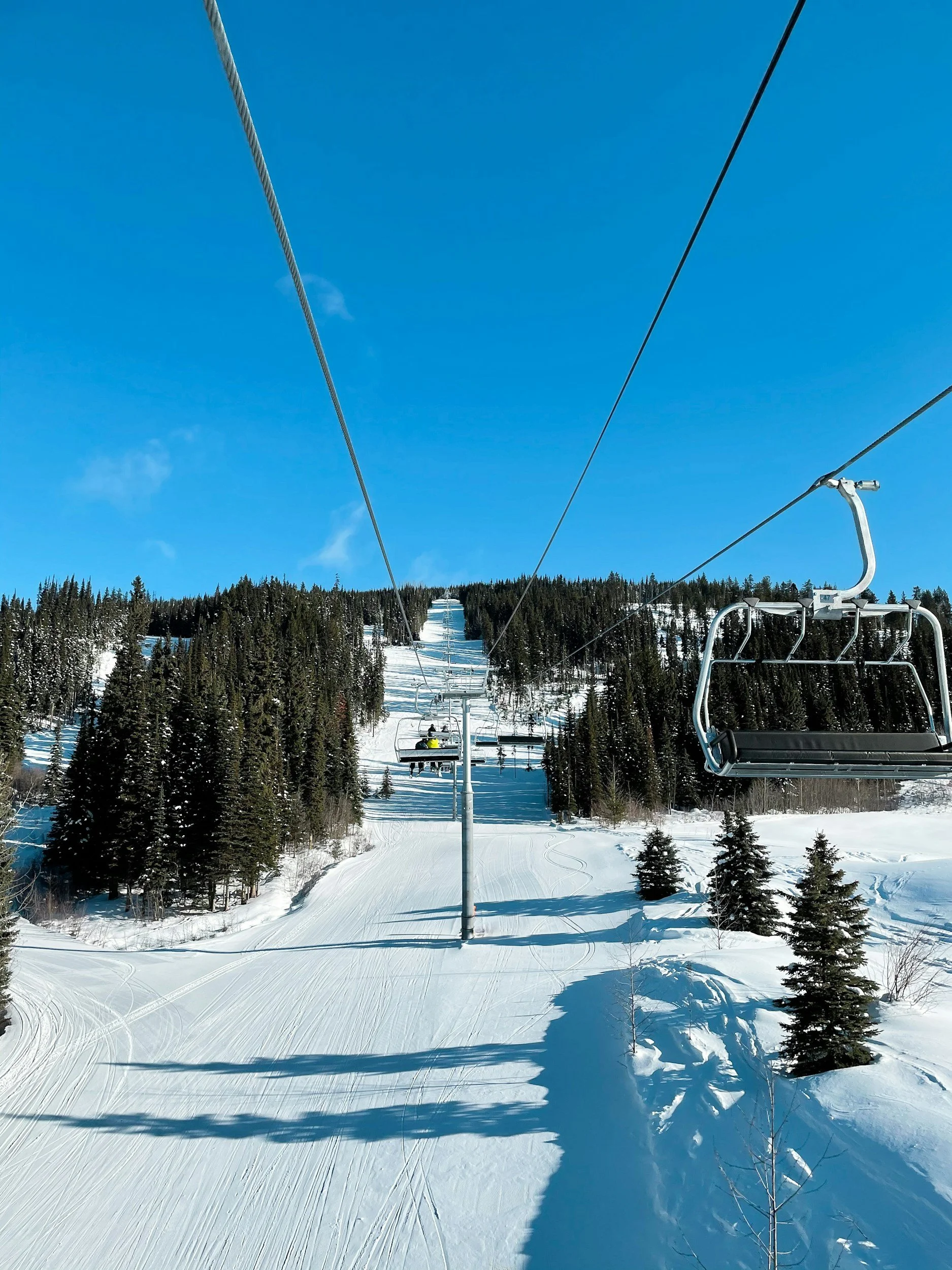
Winter in Kamloops: Trails, Slopes, and Snow
Winter doesn’t slow people down in Kamloops — it just changes how we move.
Many locals stay active through:
Snowy hikes at Peterson Creek Park
Winter walks along the Rivers Trail
Downhill skiing and snowboarding at Sun Peaks Resort and Harper Mountain
Cross-country skiing and snowshoeing at Lac Le Jeune
Staying active through winter supports physical and mental health. At the same time, cold temperatures, slippery surfaces, and sudden changes in activity can increase the risk of aches, strains, and falls — especially around the busy holiday season.
A little planning can go a long way.
Common Winter Injuries We See
Each winter, we notice similar patterns in people who stay active outdoors:
Low back pain after slips or near-falls
Tight or sore calves and Achilles tendons
Knee discomfort after uneven or icy terrain
Neck and shoulder tension after falls or cold exposure
Hip and low back stiffness after skiing or snowboarding
Most of these issues don’t come from one big accident. They often build up from fatigue, cold muscles, or doing more than the body is ready for.
Winter Hiking Safety on Local Trails
Winter hiking can be a great way to stay moving, especially on familiar routes like Peterson Creek or flatter sections of the Rivers Trail.
Helpful winter hiking tips:
Choose trails you know well
Wear footwear with good traction or add ice grips
Shorten your stride on icy sections
Use poles for balance if conditions are uneven
Take breaks — fatigue increases the risk of missteps
After your hike, gentle movement once you’re warm and staying hydrated can help reduce next-day stiffness.
Downhill Skiing & Snowboarding: Sun Peaks and Harper Mountain
Skiing and snowboarding at Sun Peaks Resort or Harper Mountain are winter highlights for many Kamloops residents, especially during the holidays.
A common issue we see in January is returning to skiing and snowboarding too quickly after time away.
Helpful ways to reduce strain:
Start with shorter days early in the season
Warm up before your first run (even a few minutes helps)
Take breaks before you’re exhausted
Pay attention to knee, hip, and low back fatigue
Dress warmly — cold muscles don’t respond as well
Even experienced skiers benefit from easing back into the season.
⚠️ Winter Safety Tip: The “One More Run” Trap
Most winter injuries don’t happen at the start of the day — they happen at the end.
Many people get hurt when they decide to take “one more run” after fatigue has already set in.
When you’re tired:
Balance becomes less reliable
Reaction time slows
Muscles don’t absorb force as well
Small technique errors add up quickly
At places like Sun Peaks and Harper Mountain, that last run of the day is a common time for awkward falls, knee strain, or low back pain.
Before heading back up the lift, pause and check in:
Do my legs still feel responsive?
Is my balance steady?
Am I skiing with focus, or just getting through the run?
If your legs feel heavy or your focus is fading, that’s often your body’s signal to stop — even if the lift is still running. Ending the day early is often the safer choice.
Cross-Country Skiing & Snowshoeing at Lac Le Jeune
Cross-country skiing at Lac Le Jeune is a favourite winter activity — and while it looks gentle, it can be more demanding than people expect.
Common areas of soreness include:
Calves and Achilles tendons
Hips and low back
Shoulders and upper back (especially with poles)
If you’re new to cross-country skiing, start with shorter distances and flatter terrain. Technique and pacing matter, especially early in the season.
Slips, Falls, and “Almost Falls” Still Matter
You don’t need to hit the ground for your body to feel it.
Sudden arm movements or twisting to catch yourself can strain the low back, neck, hips, or shoulders. If stiffness or soreness lingers longer than a day or two, it’s worth paying attention.
Addressing issues early often helps prevent them from becoming bigger problems.
How Massage Therapy Can Support Winter Activity
Massage therapy can support winter activity by:
Addressing muscle tension related to cold and fatigue
Supporting recovery after hiking or skiing
Identifying movement restrictions early
Helping manage soreness before it limits activity
At Well+Able Integrated Health, care starts with an assessment, so treatment is guided by how your body is responding to winter activity.
Enjoy Winter in Kamloops — With a Plan
Winter movement is worth protecting. Paying attention to energy levels, easing back into activity, and knowing when to stop can help you stay active all season long.
If something doesn’t feel right, or soreness is sticking around longer than expected, getting assessed early can make a difference.
👉 Book now to stay active and comfortable through the winter season.