
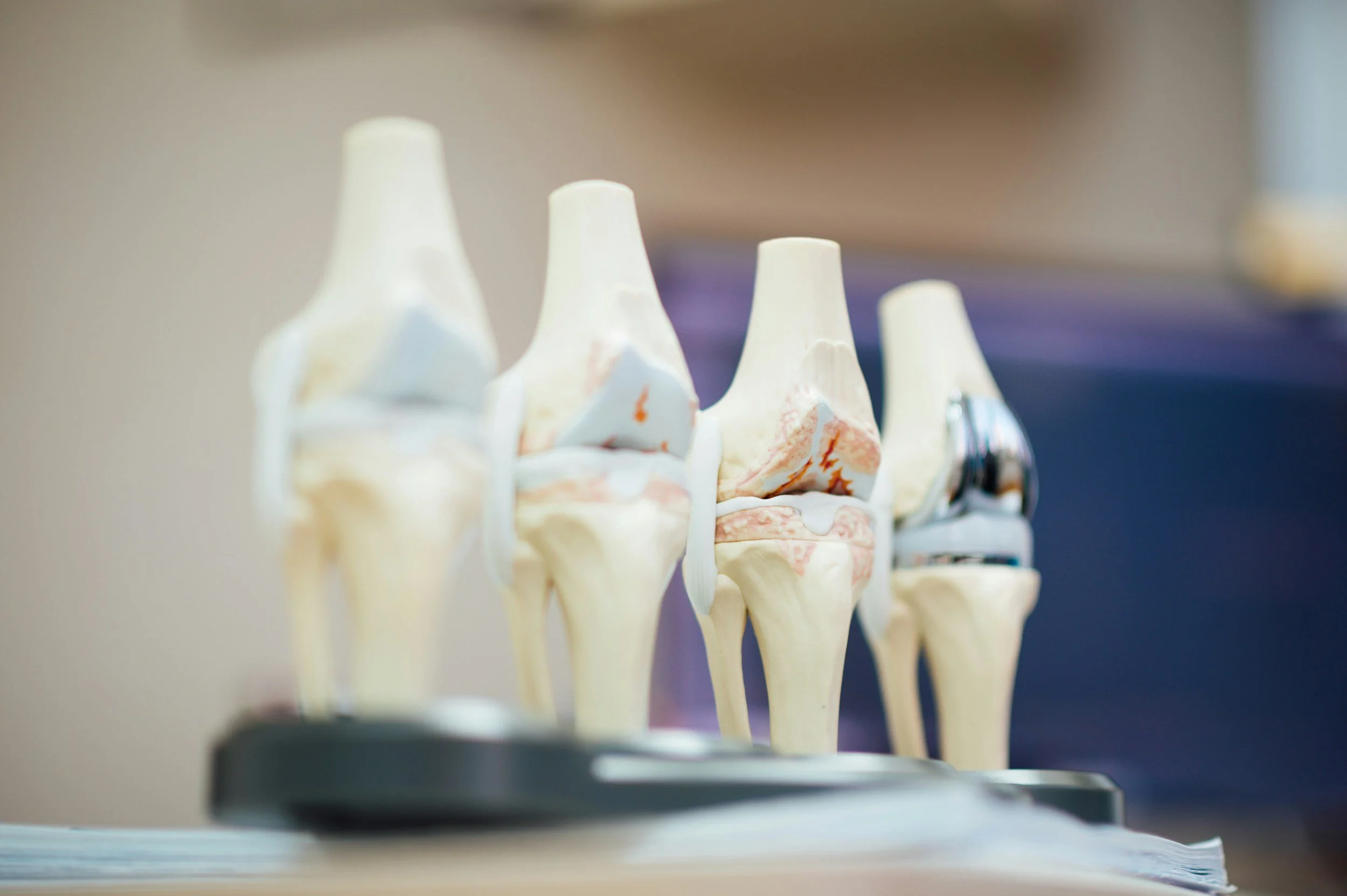
If you live with osteoarthritis, you have probably looked into your options. Massage therapy comes up often. But the information out there is mixed, and it can be hard to know what to expect.
This post covers what massage therapy can realistically offer for OA, what the research says, and what an appointment at Well+Able actually looks like. We are not going to oversell it. We will be straight with you about where it helps and where it fits.
What the Evidence Shows
The research on massage and OA has grown in recent years. Here is an honest summary of where things stand.
A 2023 review published in Pain Management Nursing looked at trials that tested massage as a stand-alone treatment for knee OA. The authors found that massage was linked to short-term improvements in pain, stiffness, and function. These effects were generally seen within eight weeks. Long-term effects beyond twelve weeks were less clear.
A 2024 review published in Systematic Reviews looked at hands-on manual therapy across 25 studies with 2,376 people with knee OA. It found that manual therapy was linked to short-term pain relief, and that treatment lasting more than four weeks tended to produce better results than shorter courses. No serious side effects were reported across the included studies.
What the evidence does not show is that massage replaces exercise, changes the joint itself, or provides lasting pain relief on its own. The strongest support for OA management still points to exercise and education. Hands-on care works best as a support alongside those things, not instead of them.
Where Massage Therapy Is Most Useful in OA
For people with OA, the soft tissue around an affected joint often becomes part of the problem. The muscles that support the knee or hip can become tight or guarded in response to pain. That tension can limit movement and make activity harder. Over time, that feeds the cycle of inactivity that tends to make OA symptoms worse.
Massage therapy can be helpful for:
Reducing tension and guarding in the muscles around an affected joint
Supporting range of motion in the tissue around the knee or hip
Making it more comfortable to move — which matters when exercise is the main goal
Providing a calm, assessment-led space to talk about what is going on and what is working
That last point matters more than it might sound. Research by Tasha Stanton has shown that fear of movement is a major driver of inactivity in people with knee OA. A care environment that reassures rather than alarms, and that treats you as a person rather than a diagnosis, has real value alongside the hands-on work.
What an Assessment-Led Appointment Looks Like
At Well+Able, every appointment starts with an assessment. For OA patients, that means we ask about your history, what has helped, what has not, what your goals are, and what is getting in the way.
We do not apply a standard OA protocol. We find out what is most useful for you and work from there. That might mean:
Soft tissue work on the muscles of the thigh and hip that support a painful knee
Working around the hip and lower back when hip OA is affecting how you move overall
Addressing tightness in areas that have been under extra load due to changes in how you move
A conversation about activity, pacing, and what to expect as you work toward your goals
Results vary between individuals. We do not promise specific outcomes. What we can offer is an honest, evidence-informed assessment and a clear plan for what we are doing and why.
How It Fits With Your Other Care
Massage therapy works best for OA when it is part of a broader approach. The OARSI guidelines recommend exercise and education as the foundation of OA care. Hands-on care, when used, works best alongside those core strategies.
If you are already working with a physiotherapist, your GP, or a surgeon, massage therapy can fit alongside that care without conflict. We communicate with other providers when it is relevant and when you have given us permission.
If you are preparing for or recovering from a knee or hip replacement, massage therapy may also be a good fit depending on timing and your surgeon’s guidance. We cover that in the next two posts in this series.
Who This Is Most Likely to Help
Massage therapy for OA tends to be most useful for people who:
Have significant muscle tension or soft tissue tightness around the affected joint
Are finding activity difficult and want support getting movement back on track
Want a hands-on approach alongside exercise and medical management
Are preparing for or recovering from joint replacement surgery, with appropriate timing
If exercise and activity have not been addressed yet, we would talk about how to work on both together rather than treating massage as the main approach.
A Note on What We Do Not Do
We do not use fear-based language about your joints. We do not tell you that your body is fragile, that normal activity will cause damage, or that massage is fixing something broken.
OA involves age-related changes in joint tissue. Pain is real and can be significant. But it is also shaped by the nervous system, by beliefs about movement, and by how active a person has been. Our goal is to support you in moving better and feeling more confident in your body, alongside whatever else you are doing for your health.
Related reading: What Is Osteoarthritis, Really? — Movement Is Medicine for Osteoarthritis
Book today
If you would like to talk through whether massage therapy is a good fit for where you are at with OA, we are taking new patients. Book online or give us a call.